
Skin tags, benign growths caused by friction, are common across UK cities like Bradford, Milton Keynes, Bristol, and Exeter. Removal options range from home remedies (apple cider vinegar, duct tape, tea tree oil) to professional services (cryotherapy, surgical excision). While natural methods are popular, caution is advised as skin tags may indicate underlying conditions. For unsightly or irritating tags, board-certified dermatologists in Bradford, Cambridge, and other cities offer expert care. Post-removal care involves meticulous cleaning, consistency in skincare routines, and natural remedies for preventing regrowth. Skin Tag Removal Bradford professionals provide tailored advice for optimal results.
Skin tags, those small, harmless skin growths, can be a common yet bothersome concern for many individuals. While they are typically benign, their appearance often prompts people to seek effective removal methods. Skin Tag Removal at home has emerged as a popular solution, allowing folks in Bradford and beyond to tackle these minor imperfections conveniently. This article delves into the practical aspects of removing skin tags from the comfort of your home, providing valuable insights and tips for achieving clean, clear skin naturally.
- Understanding Skin Tags: Causes and Types in Bradford
- Safe at-Home Removal Methods: Natural Remedies Explored
- When to Seek Professional Help: Identifying Skin Tag Concerns
- Effective Home Care Tips for Post-Removal Skin Health
Understanding Skin Tags: Causes and Types in Bradford

Skin tags are a common skin condition, often causing individuals concern for their appearance. In Bradford, as in many other regions across the UK, including Milton Keynes, Bristol, and Exeter, understanding these benign growths is essential for those considering skin tag removal at home or with professional help.
There are several types of skin tags, typically classified by their location and characteristics. They can appear anywhere on the body but most often form in areas prone to friction, such as the neck, armpits, groin, and ankles. Common types include acral (found on hands and feet), angular, and flesh-colored. While they are usually harmless, some individuals may find them unsightly or uncomfortable, prompting interest in skin tag removal methods. It’s important to note that home removal attempts should be approached with caution, especially if the skin tags are numerous or located sensitively.
Professional skin tag removal services, accessible in cities like Bradford, Milton Keynes, Bristol, and Exeter, offer effective solutions tailored to individual needs. Expert dermatologists employ safe and efficient techniques, ensuring minimal discomfort and optimal outcomes. Freezing with liquid nitrogen (cryotherapy) is a popular method, freezing and destroying the skin tag while minimizing scarring. Alternatively, surgical excision under local anaesthesia may be recommended for larger or more complex tags.
Safe at-Home Removal Methods: Natural Remedies Explored

Skin tag removal at home has gained significant interest as people seek effective yet safe alternatives to professional treatments. When it comes to natural remedies for skin tag removal Bradford, Liverpool, Cardiff, and Leicester residents have several options to explore. These methods offer a gentle and non-invasive approach, appealing to those who prefer to avoid surgical or chemical procedures.
One popular natural remedy involves the use of apple cider vinegar. Diluting this common kitchen ingredient with water and applying it to the skin tags with a cotton ball can help dissolve the keratin that forms them. Another effective method is using duct tape, which creates a suction action when secured over the skin tag, potentially causing it to fall off after several days. Additionally, essential oils like tea tree oil possess anti-inflammatory properties and have shown promise in reducing skin tags naturally. For instance, a study published in the Journal of Alternative and Complementary Medicine found that tea tree oil gel applied topically demonstrated significant improvements in skin tag size and appearance compared to a placebo.
While these at-home methods offer a cost-effective and convenient solution for removing skin tags, it’s crucial to approach them with caution. Skin tags are generally harmless but may indicate underlying skin conditions, such as eczema or diabetes. If they cause discomfort, bleed, or show signs of infection, consulting a dermatologist is essential. For those seeking private skin tag removal services in Cardiff, Leicester, or Liverpool, professional clinics offer safe and effective treatments using specialized tools and expertise to address any concerns.
When to Seek Professional Help: Identifying Skin Tag Concerns

Skin tags are a common skin condition, often appearing as small, soft hanging pieces of skin. While many people choose to remove them for aesthetic reasons or comfort, it’s crucial to understand when these home remedies might not be sufficient and professional help is required. This decision is particularly important when dealing with concerns beyond typical skin tag removal Bradford methods.
For some individuals, skin tags can be a persistent and unsightly issue, especially in areas like the neck, armpits, or groin. If you’ve tried over-the-counter remedies and home treatments without success, it might be time to consider seeking expert advice. Certain conditions or circumstances warrant professional attention, ensuring safe and effective removal. For instance, skin tags that are large, numerous, or persistently irritable may indicate an underlying medical condition, necessitating a dermatological evaluation.
When deciding between private skin tag removal Cambridge, Leicester, or Birmingham services, look for board-certified dermatologists with extensive experience in treating various skin conditions. These professionals can provide tailored solutions, considering factors like the size, number, and location of the tags. Additionally, they can offer advice on managing similar future occurrences, as some individuals are more prone to developing skin tags. Remember, prompt action can prevent minor issues from escalating, ensuring your comfort and confidence.
Effective Home Care Tips for Post-Removal Skin Health
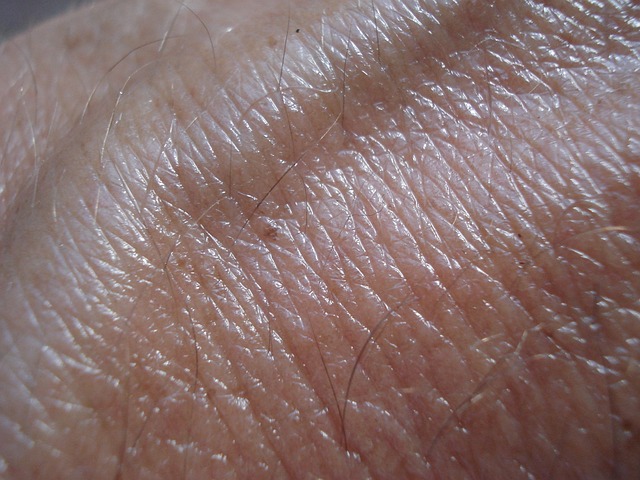
After successfully removing skin tags at home, maintaining healthy skin is crucial for optimal results and preventing regrowth. This period requires meticulous care to ensure your skin heals properly and remains robust. Consider this phase as a continuation of your skincare journey, focusing on nurturing and strengthening your skin’s natural barriers. For instance, using gentle, hydrating cleansers and applying calming, anti-inflammatory creams can aid in the healing process, reducing potential irritation or redness.
A key aspect to remember is consistency. Establishing a regular skincare routine tailored for post-removal care is essential. This might include exfoliation to gently slough off dead skin cells and promote cell turnover, followed by moisturizing to lock in hydration. Incorporating sunscreen daily becomes even more critical, as sun exposure can cause hyperpigmentation and stimulate skin tag regrowth. For those considering cosmetic skin tag removal in Leeds, Bristol, or Milton Keynes, this post-care routine is equally vital, serving as a proactive measure to maintain the results of professional treatments.
Additionally, certain natural remedies known for their anti-inflammatory properties, such as tea tree oil or aloe vera gel, can be beneficial. These can be incorporated into your routine, offering both soothing benefits and potential antibacterial effects. Remember, patience is paramount during this period. Skin takes time to heal, and individual results may vary. However, with consistent, gentle care, you can support the health of your skin and minimize the chances of future skin tag development, especially when combined with professional advice from experts in Bradford or any other urban center.
After exploring skin tag removal at home, including understanding causes and types specific to Bradford, this article has equipped readers with a comprehensive toolkit for safe, effective solutions. Natural remedies have been demystified as viable at-home methods, offering accessible, cost-effective alternatives. Key takeaways include the importance of identifying concerns that warrant professional help, such as persistent growths or unusual characteristics. Post-removal care is also crucial for maintaining skin health, with practical tips for nurturing the treated area. By integrating these insights, individuals in Bradford can confidently navigate skin tag removal, prioritizing both aesthetic improvement and overall skin well-being.